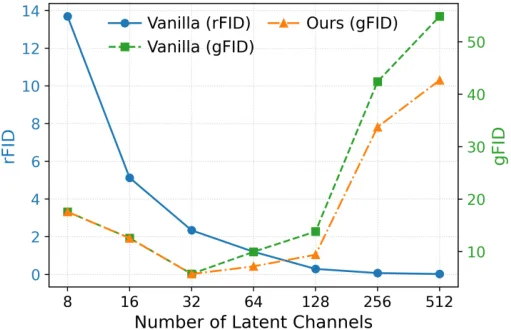
Toward Diffusible High-Dimensional Latent Spaces: A Frequency Perspective
Why higher-dimensional autoencoder latents improve reconstruction but eventually hurt generation, studied through a frequency lens.
23 papers · 2019 – 2026
Generative models for images and video, and before that object discovery, detection, tracking and re-identification. * equal contribution, † project lead. The full list lives on Google Scholar.
Foundation models that generate HD video with synchronized audio, plus instruction-based video editing and personalized video generation.
State-of-the-art diffusion-based text-to-video generation by first generating an image, then a video conditioned on it.
Why higher-dimensional autoencoder latents improve reconstruction but eventually hurt generation, studied through a frequency lens.
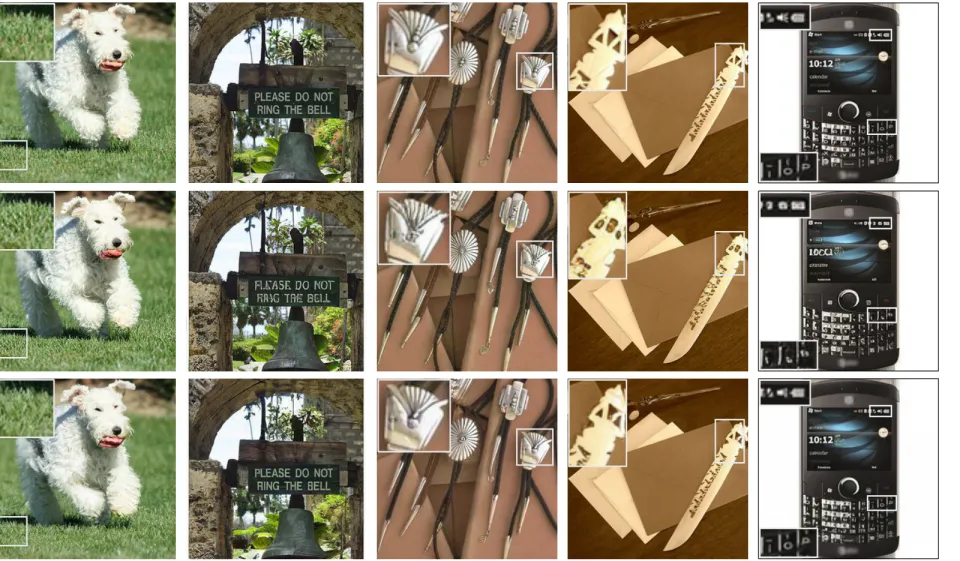
DiTo: a simple diffusion tokenizer that learns compact visual representations for image generation with a single learning objective.
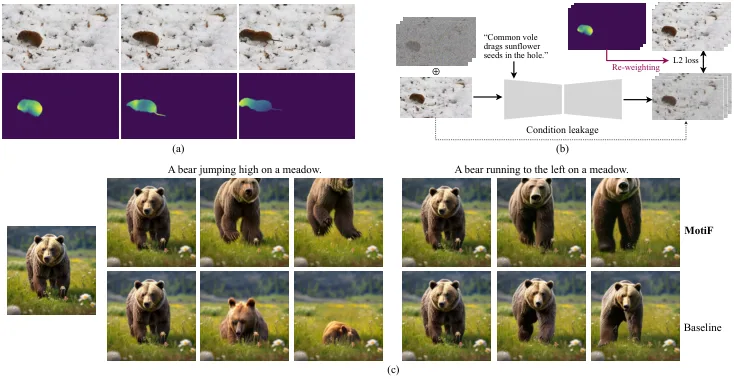
A motion focal loss that makes text-guided image animation follow the motion described in the prompt.
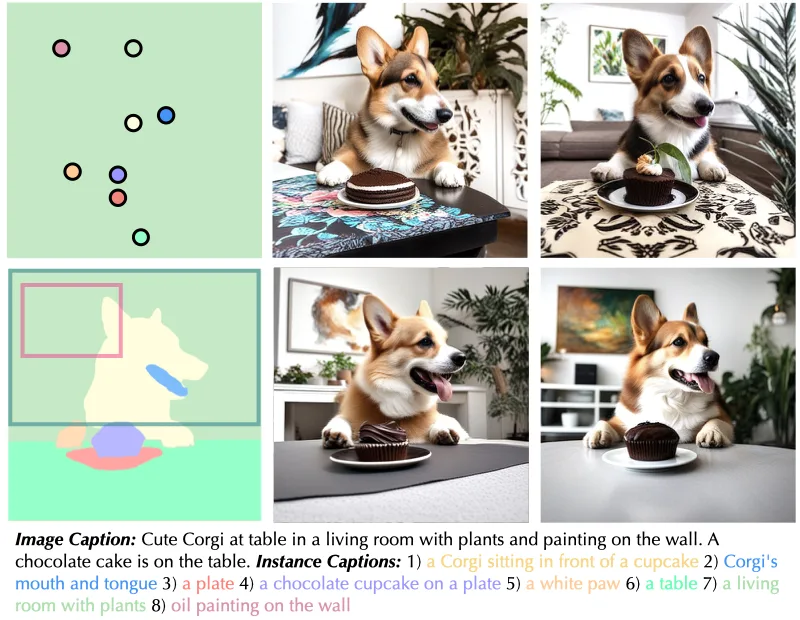
Precise instance-level control — points, boxes, scribbles, masks — for text-to-image generation.
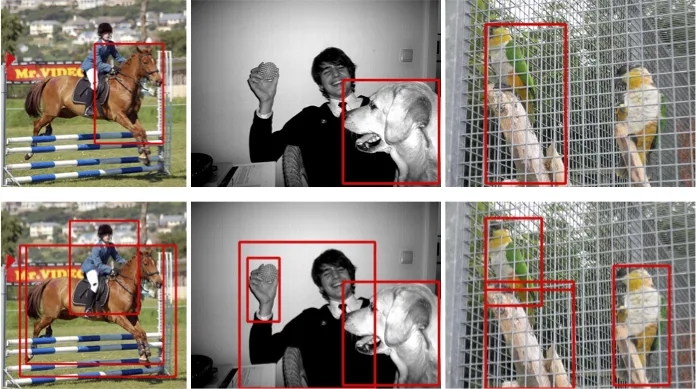
Localizes multiple objects in real-world images without any training, using self-supervised transformers.
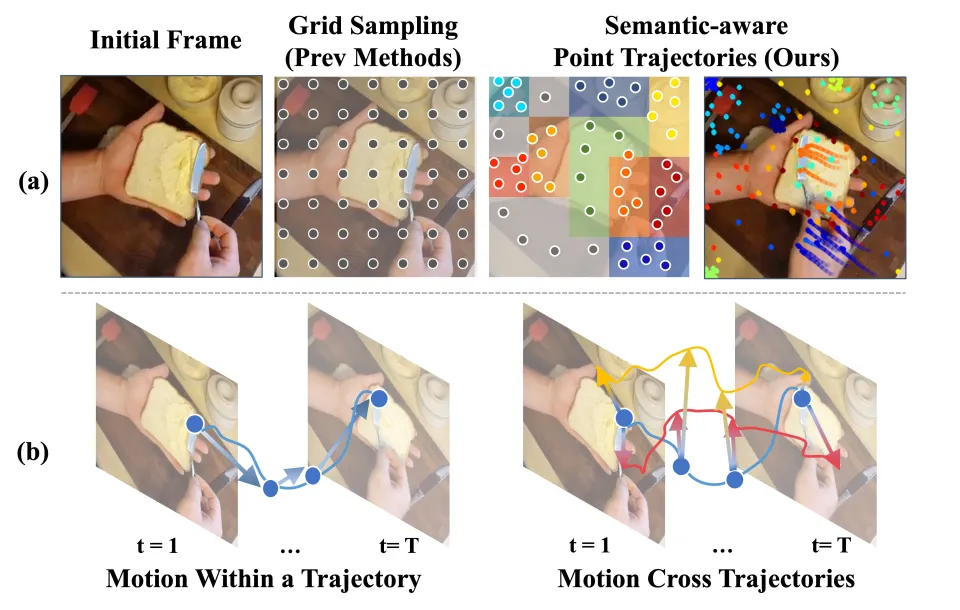
Semantic-aware point selection and relational trajectory tokens that model motion and appearance for few-shot action recognition.
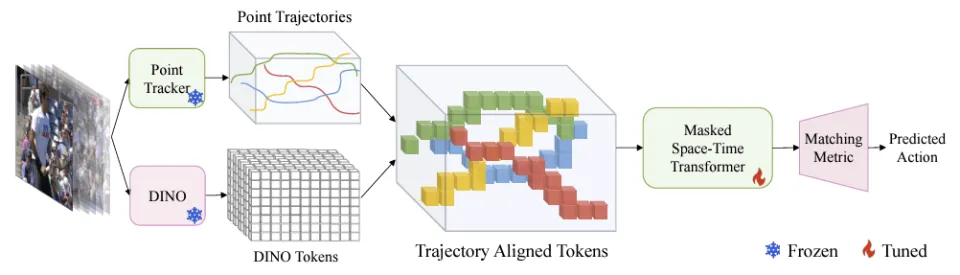
Point trajectories and self-supervised representations for few-shot action recognition.
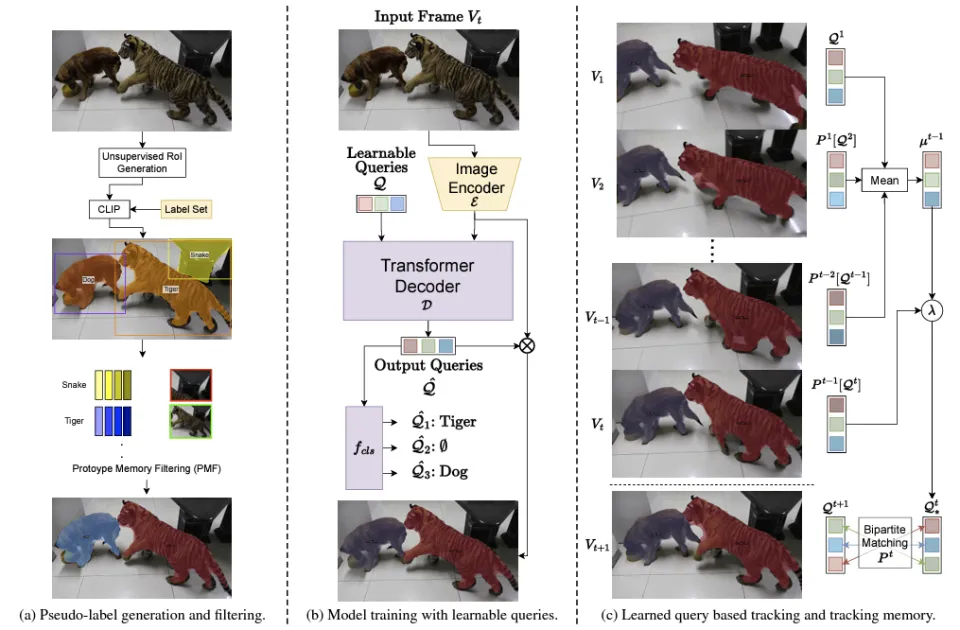
Video instance segmentation without any video annotations or densely labeled pre-training.
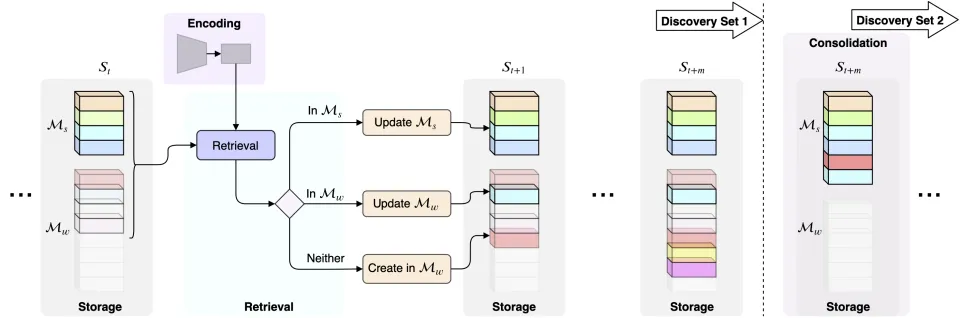
Automatically discovers and learns models for new categories from a large unlabeled dataset.
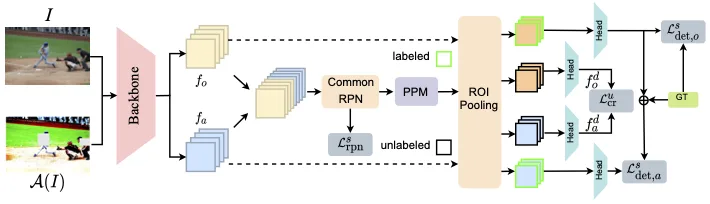
Treats missing annotations as region-based semi-supervised learning to improve detectors.
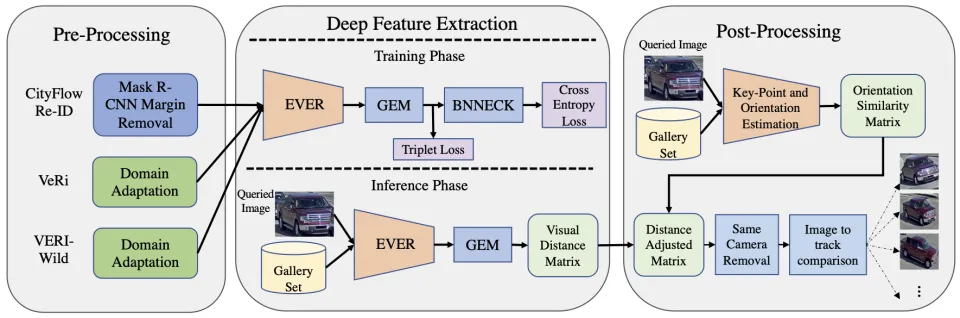
A real-time system for image-based vehicle re-identification and natural-language vehicle retrieval (AI City Challenge).
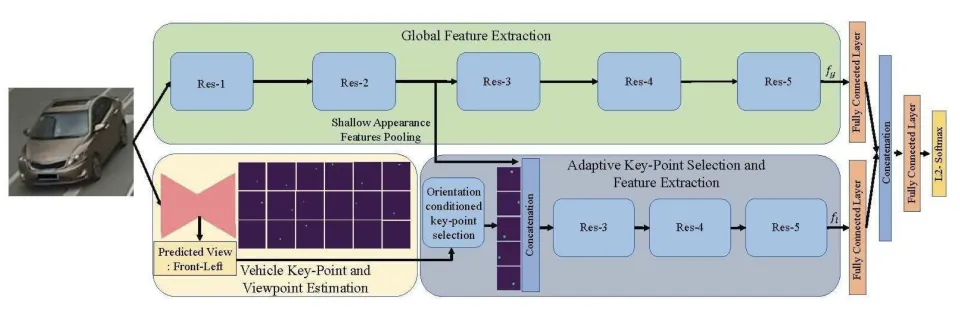
A dual-path adaptive attention model for vehicle re-identification.
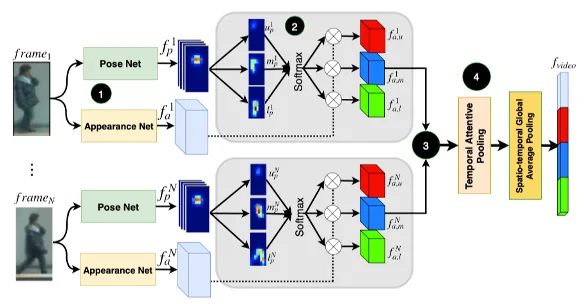
Feature alignment across body parts for state-of-the-art video person re-identification.
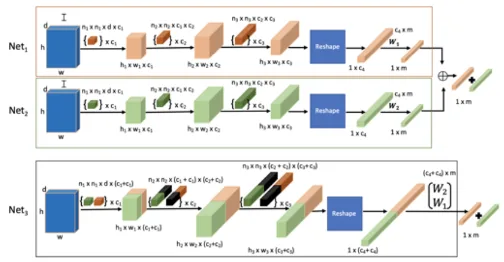
A single large network is usually more accurate than a boosted ensemble with the same total parameters.
Why higher-dimensional autoencoder latents improve reconstruction but eventually hurt generation, studied through a frequency lens.
Semantic-aware point selection and relational trajectory tokens that model motion and appearance for few-shot action recognition.
A motion focal loss that makes text-guided image animation follow the motion described in the prompt.
DiTo: a simple diffusion tokenizer that learns compact visual representations for image generation with a single learning objective.
Foundation models that generate HD video with synchronized audio, plus instruction-based video editing and personalized video generation.
State-of-the-art diffusion-based text-to-video generation by first generating an image, then a video conditioned on it.
Point trajectories and self-supervised representations for few-shot action recognition.
Precise instance-level control — points, boxes, scribbles, masks — for text-to-image generation.
Video instance segmentation without any video annotations or densely labeled pre-training.
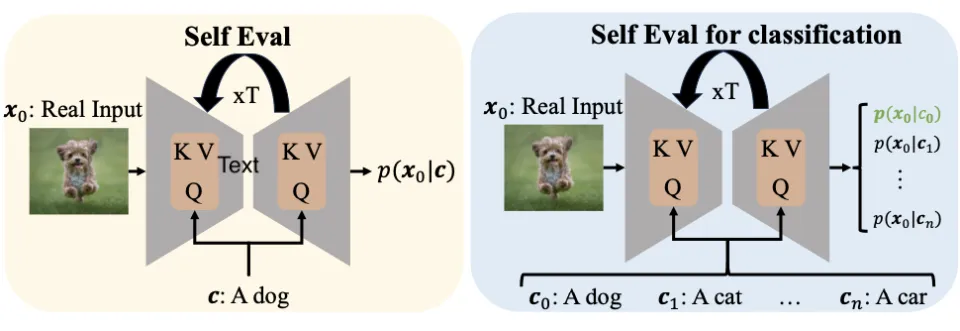
Repurposes generative models as discriminative models to evaluate generative performance.
Localizes multiple objects in real-world images without any training, using self-supervised transformers.
Treats missing annotations as region-based semi-supervised learning to improve detectors.
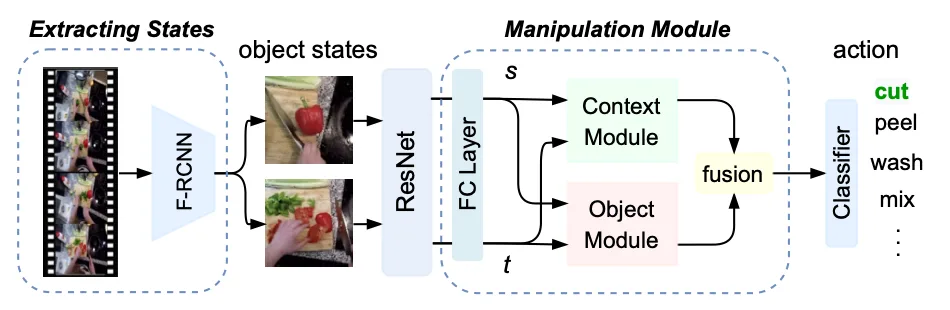
Recognizes object-centric actions from just two object states, start and end.
A single large network is usually more accurate than a boosted ensemble with the same total parameters.
Automatically discovers and learns models for new categories from a large unlabeled dataset.
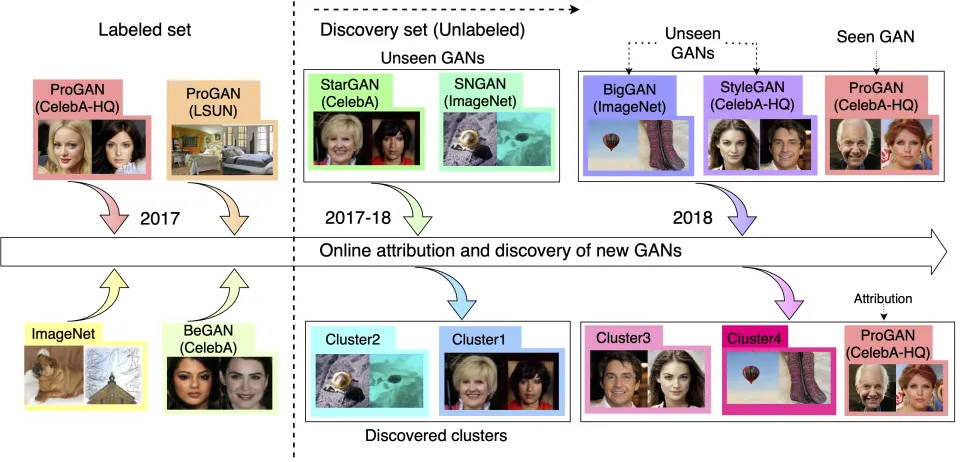
Discovers and attributes images from unseen GANs in the open world.
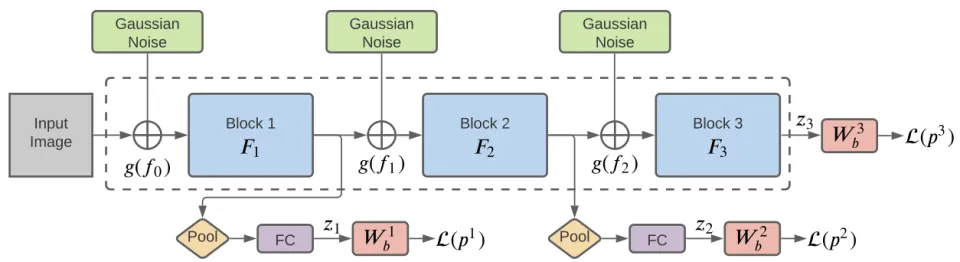
An architecture based on denoising auto-encoders that improves few-shot learning.
A real-time system for image-based vehicle re-identification and natural-language vehicle retrieval (AI City Challenge).
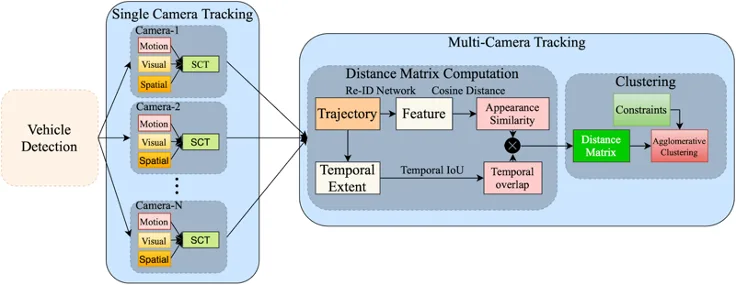
Real-time vehicle re-ID, multi-camera tracking and anomaly detection across a network of traffic cameras (AI City Challenge).
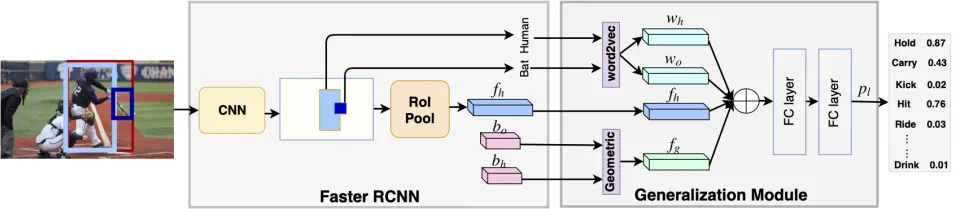
Humans interact with functionally similar objects in similar ways.
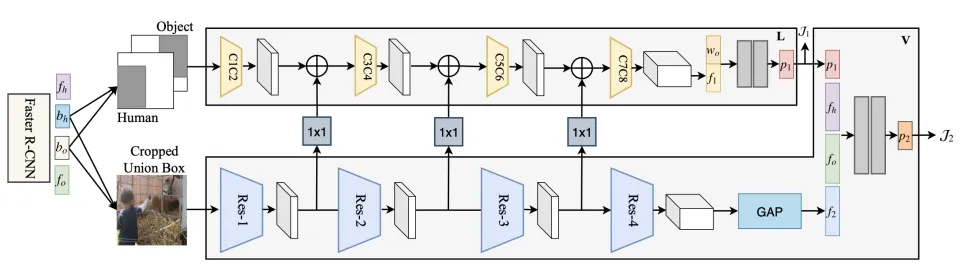
Exploits the spatial layout of a human and an object to detect HOIs in images.
A dual-path adaptive attention model for vehicle re-identification.
Feature alignment across body parts for state-of-the-art video person re-identification.